
Last updated November 21, 2026
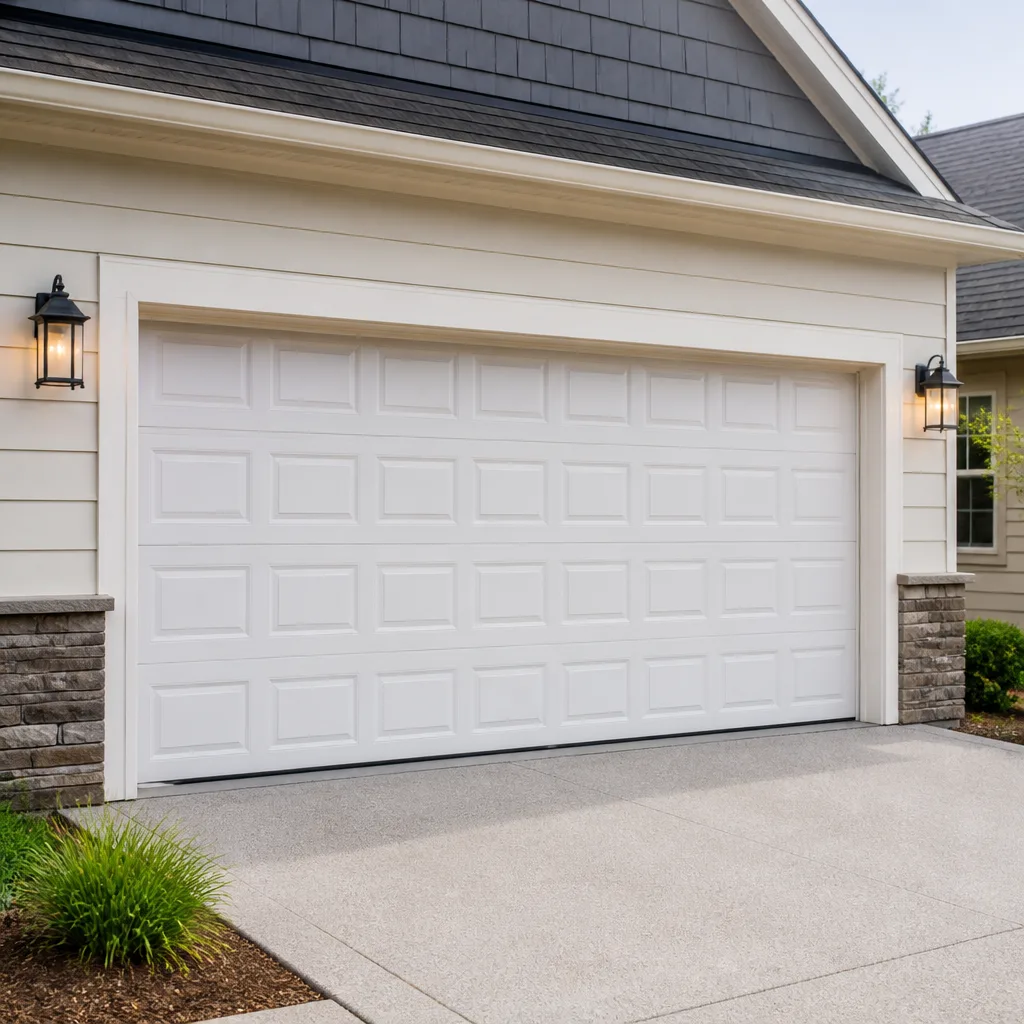 Raised-panel steel
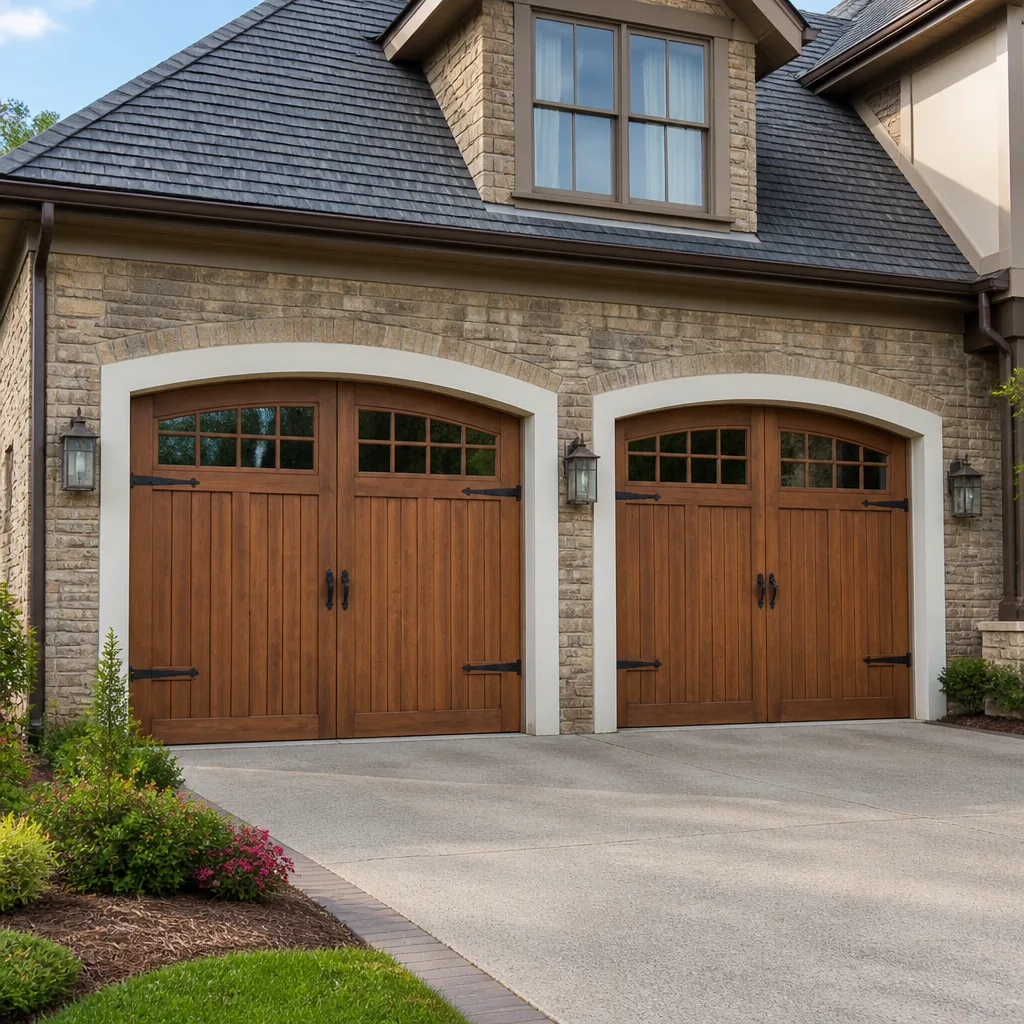 Carriage house
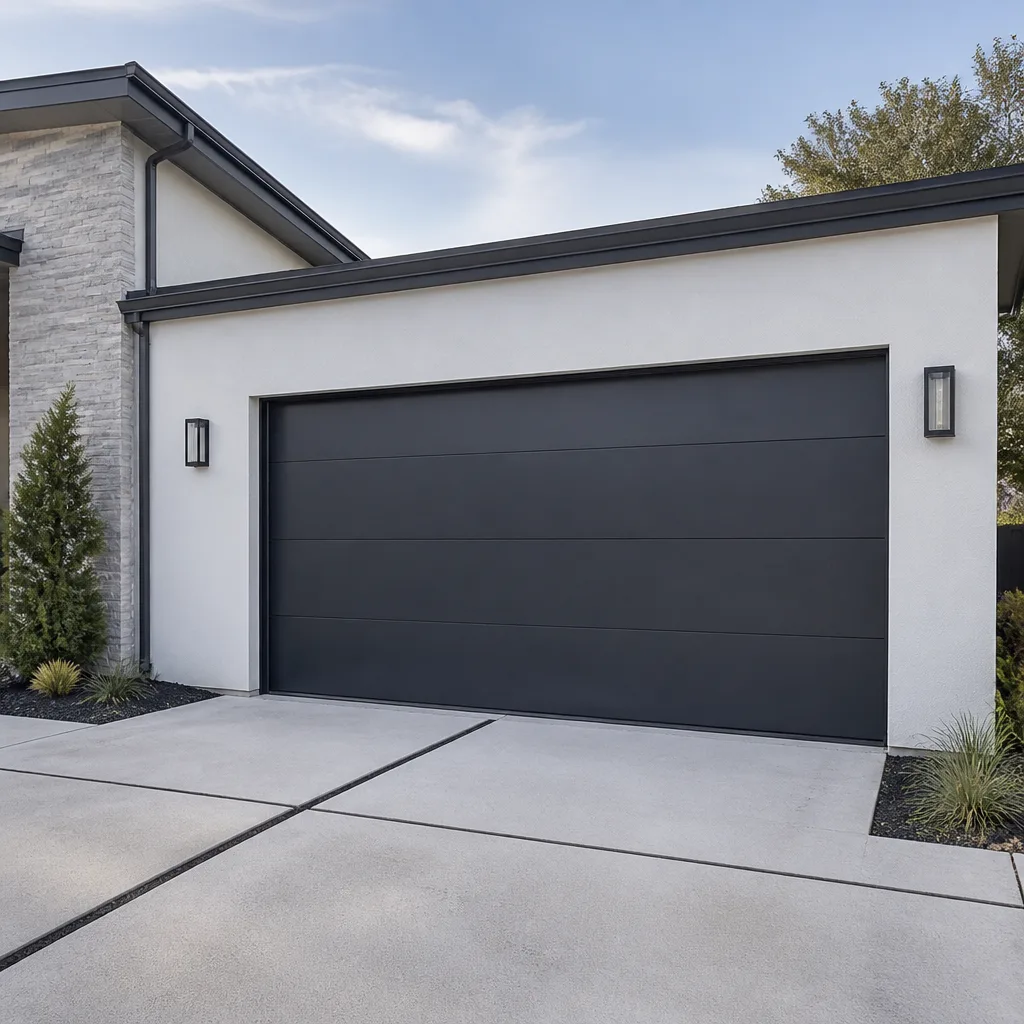 Modern flush
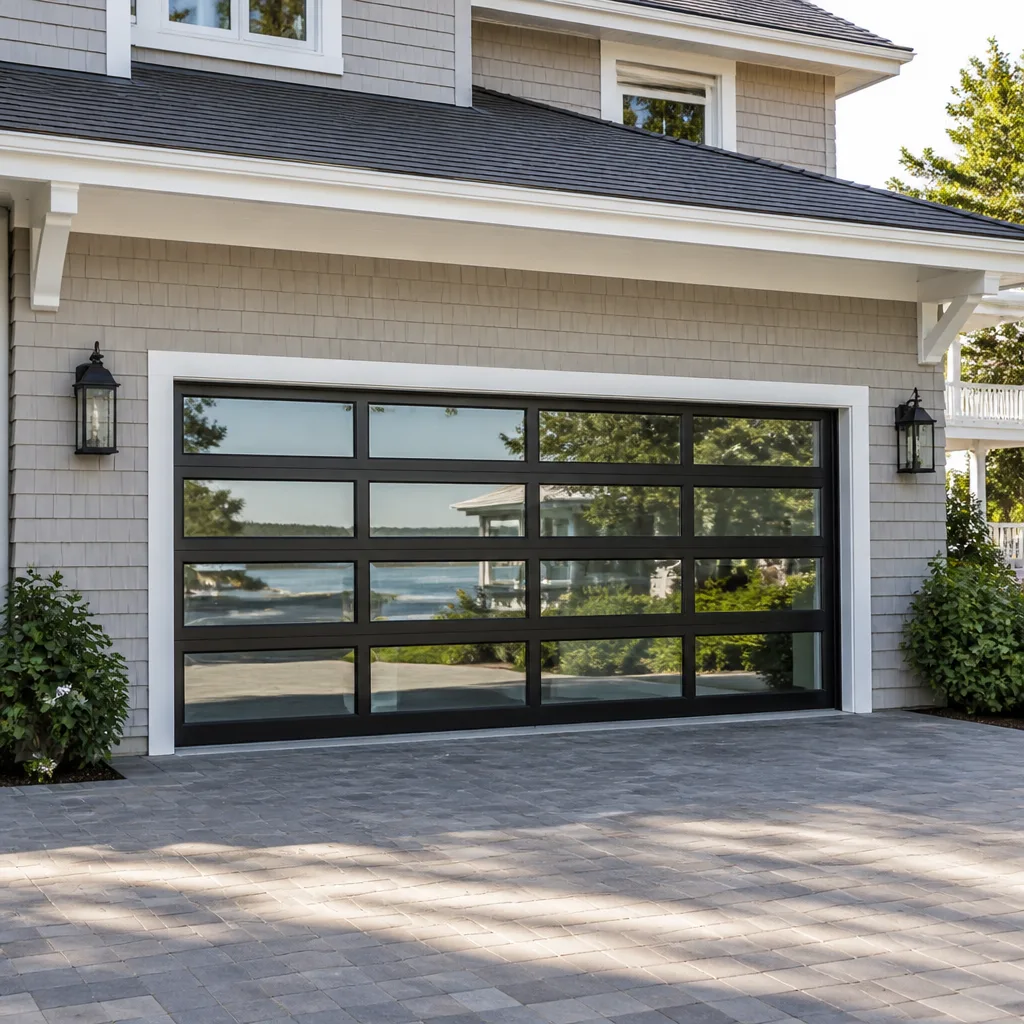 Full-view glass
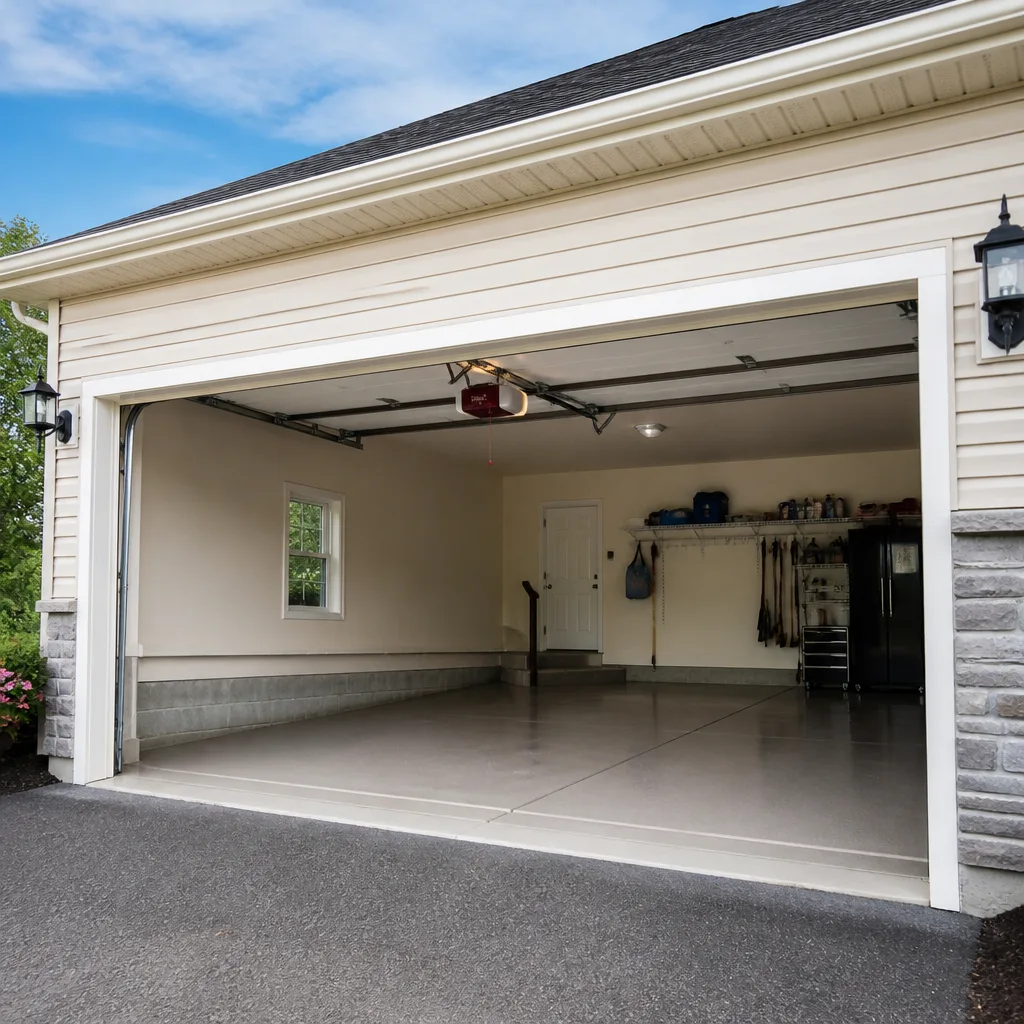 LiftMaster openers
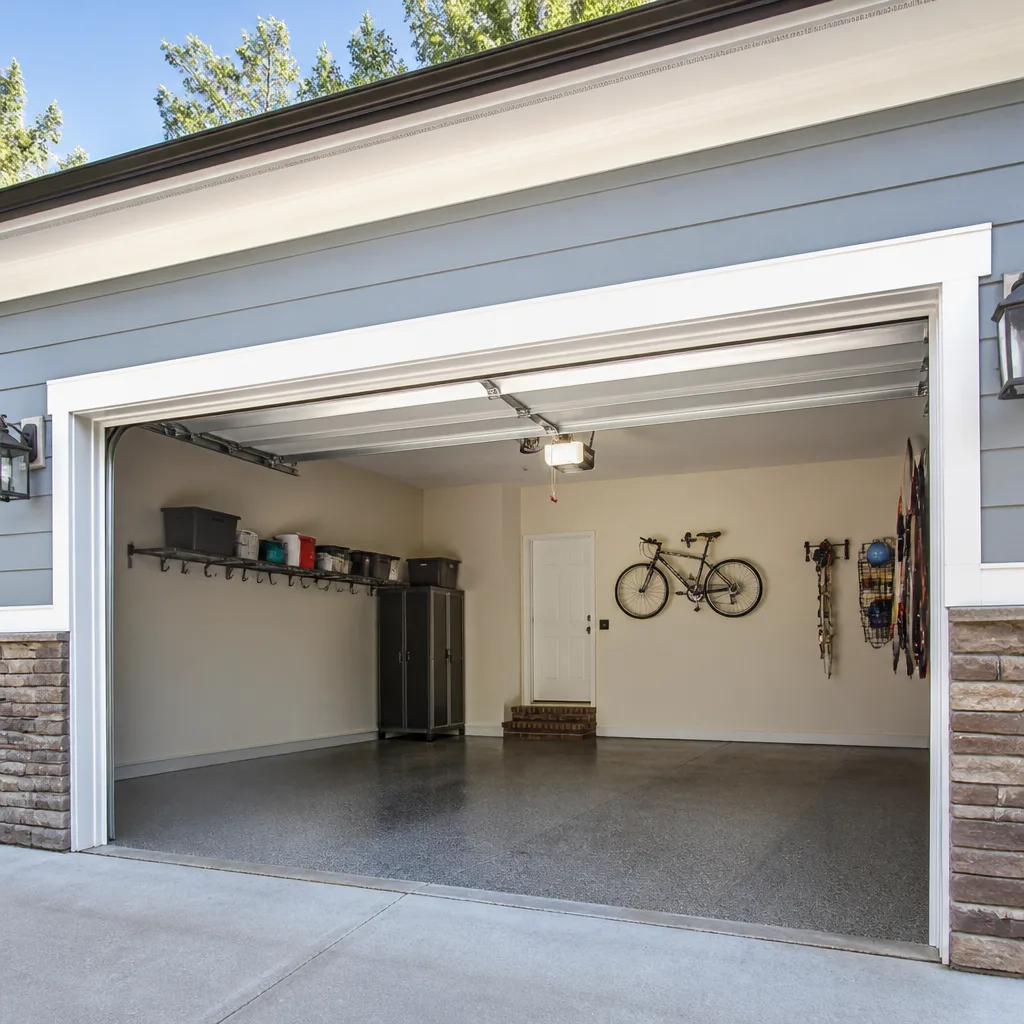 Chamberlain openers
Full 25-point door and opener safety check with every visit - springs, cables, rollers, tracks, and your LiftMaster or Chamberlain opener included
You get a price before we start. It does not change when the pro arrives.
Get your free estimateThe Complete Guide to Garage Doors in Apopka
Most garage door advice you’ll read online was written for a homeowner in Ohio or the Pacific Northwest. Apopka isn’t that. Since 2010, master-planned communities have reshaped this city, and a large share of the homes now standing in them went up with the same two-car steel door, ordered in bulk from the same short list of builders. That’s actually good news for you: the failures you’re likely to face are predictable, the parts are common, and the fixes follow a pattern. This guide walks through the door types and brands that dominate Apopka driveways, how Florida’s heat and humidity shorten spring and cable life, when a repair makes sense versus an upgrade, what you can safely handle yourself, and how to judge a door you inherited with a resale home.
Quick Answer
Garage doors in Apopka are overwhelmingly builder-grade, sectional steel doors paired with chain-drive or belt-drive openers from a handful of brands, most commonly LiftMaster, Chamberlain, Genie, Craftsman, Clopay, Amarr, Wayne Dalton and Raynor. The parts most likely to fail first are the torsion springs and the cables, sped along by Florida’s humidity and heat cycle, and most repairs are straightforward for a technician who knows the brand and can get the correct parts. If your door is stuck, noisy, or won’t close, it’s usually a fixable problem rather than a reason to replace the whole system.
Styles & brands we work with
- Raised-panel steel
- Carriage house
- Modern flush
- Full-view glass
- LiftMaster openers
- Chamberlain openers
Table of Contents
- What Kinds of Garage Doors Do Apopka Homes Actually Have?
- How Apopka’s Heat and Humidity Wear Out Garage Doors
- Builder-Grade vs. Upgraded Doors: What You Get for the Money
- Springs and Cables: The Most Dangerous Part of the System
- Openers: Why the Door and the Motor Should Be Diagnosed Together
- What You Can Safely Do Yourself in Apopka, and What You Can’t
- How to Judge a Door You Inherited With a Resale Home
- What Garage Door Work Typically Costs in Apopka
What Kinds of Garage Doors Do Apopka Homes Actually Have?
If you live in Rock Springs Ridge, Emerson Park, or one of the other large subdivisions that grew up around Apopka after 2010, there’s a decent chance your garage door matches your neighbor’s almost exactly. That’s not a knock on the builders. It’s how planned communities work: a developer picks a door model that meets the budget and the aesthetic, orders it in volume, and installs the same panel profile across hundreds of homes. The consequence is that the same parts wear out on roughly the same schedule across the whole street.
What that means for you, practically:
- Parts are easy to source. A standard two-car steel sectional door uses common panel sizes, hinges, rollers and spring wire gauges. Your technician won’t be hunting for an exotic component.
- Diagnosis is faster. When we’ve seen the same Clopay or Amarr profile hundreds of times, we know where to look first.
- Neighbors’ failures are a warning. If the door two houses down just had a spring snap, yours may be on a similar clock, especially if the homes were built around the same time.
Brand-wise, the Apopka mix leans heavily on the big names. On the door side, you’ll see a lot of Clopay, Amarr, Wayne Dalton and Raynor. On the opener side, LiftMaster, Chamberlain, Genie and Craftsman dominate, which matters because those are the four most common residential motors in the country and parts and remotes are widely available. We work on the brand you already own, whether that’s a budget builder-installed door or a premium system someone upgraded later.
If you’re not sure what you have, look for a sticker or plate on the inside of the door panel or on the opener housing. That label tells you the model and often the date of manufacture, which is the single most useful piece of information when deciding whether to repair or replace.
How Apopka’s Heat and Humidity Wear Out Garage Doors
Garage door springs in Apopka don’t fail because the door was made badly. They fail because they’re steel under constant tension in an environment that goes through a daily humidity-and-heat swing for most of the year. A torsion spring works by twisting and untwisting thousands of times, and each cycle stresses the metal. Heat and moisture don’t create that stress, but they accelerate the fatigue that ends the spring’s life.
Here’s what’s actually happening under your garage roof:
- Humidity drives corrosion. Springs, cables, hinges and roller bearings are all steel, and in Apopka’s humid air a thin film of moisture sits on them for much of the year. Cables corrode from the inside out and can fray before you ever notice.
- Heat softens lubricant. The grease on rollers, hinges and springs thins in summer and migrates, leaving contact points dry and squeaky.
- Wood and steel panels expand. Warm days and cooler nights move panels and frames enough to loosen fasteners over time, which shows up as rattles and misaligned tracks.
Compare that with a northern climate. In a cold-winter market, spring fatigue is spread across fewer extreme cycles and corrosion is slower, but you get salt and ice in the equation instead. Down here, the dominant wear driver is moisture-driven corrosion and heat, which is why cables and spring ends are often the first things we inspect on an Apopka door.
Simple maintenance helps a lot: a light application of a garage-door-appropriate lubricant on springs, hinges and rollers a couple of times a year, and a visual check of the cables for fraying or rust. That’s low-effort and it buys time. Anything involving the spring tension itself is a different story, covered below.
Builder-Grade vs. Upgraded Doors: What You Get for the Money
Most of the doors we see in newer Apopka subdivisions are builder-grade: a single-layer steel door, often uninsulated or lightly insulated, with a basic chain-drive or belt-drive opener. They do the job. They’re not the quietest door on the street, and the insulation value is minimal, but they’re durable and their parts are cheap and available.
An upgrade buys you three real things:
- Quieter operation. Insulated, multi-layer doors with better rollers and hinges cut down rattle and road noise noticeably.
- Better thermal performance. In a Florida home, an attached garage acts as a buffer between the house and the outside. An insulated door helps keep heat from baking through that buffer in summer.
- Longer service life on the mechanism. Better hardware and a heavier, better-balanced door put less stress on the opener and springs.
What an upgrade doesn’t buy you is a magical repair-free future. Springs and cables still wear, openers still eventually fail, and the maintenance list on a premium door is similar to a builder-grade one. The difference is that the door balances better, runs quieter, and takes more cycles before things start to loosen up.
Our advice for most Apopka homeowners: if your builder-grade door is structurally sound and the mechanism is fine, keep it and maintain it. If you’re facing a major repair on an old door, or the panels are bent and the tracks are shot, that’s the moment to price a replacement and see whether it makes more sense than pouring money into a door that’s near the end of its life. Full garage door installation is something we handle directly, so you’re not sending one company out to diagnose and another to replace.
Springs and Cables: The Most Dangerous Part of the System
Understanding what the parts do is still useful, because it helps you describe the problem and understand the estimate.
A typical two-car door uses either one or two torsion springs mounted on a bar above the door, or extension springs running along the horizontal tracks. When the door opens, the operator lifts it against the spring tension; the springs are what make the heavy door feel light and let it balance in the open position. When a spring snaps, the door becomes dead weight. It may drop, it may not open at all, and forcing the opener to run against that dead weight can burn out the motor.
Cables run from the bottom corners of the door up around drums that the springs turn. They keep the door level and under control. When a cable frays or snaps, the door can bind in the tracks or drop on one side. In Apopka, the humidity-driven corrosion described earlier is a common reason cables fail before the springs do.
Our dedicated spring repair work is core to what we do, not a side item. Springs are a high-risk repair that some generalists avoid or hand off, and we handle it in-house. When we quote a repair, we inspect the spring, the cables, the drums and the bottom brackets, because replacing a spring and leaving a frayed cable is a job that leaves you calling someone again too soon.
Openers: Why the Door and the Motor Should Be Diagnosed Together
Half the time a “broken opener” isn’t a broken opener. It’s a door that’s binding, a spring that’s failed, or a track that’s out of alignment, and the motor is just straining against a problem that isn’t its fault. This is where hiring two separate contractors gets expensive: the opener tech says the motor is fine and the door guy says the door is fine, and nobody fixes the actual problem.
One call covers the door and the opener. Here’s what we check when a door won’t open or is behaving strangely:
- The door’s balance. Disconnect the opener and lift the door manually. If it’s heavy or won’t stay up, the springs are the issue.
- The tracks and rollers. Bent tracks, worn rollers or debris in the track can stall a healthy opener.
- The safety sensors. A misaligned or dirty photo-eye pair will stop the door from closing and is one of the simplest fixes we make.
- The opener itself. Only after the door and safety systems check out do we look at the motor, the logic board, the drive gear or the belt or chain.
Common Apopka opener brands include LiftMaster, Chamberlain, Genie and Craftsman. Parts for all four are widely available, and remotes, keypads and safety sensors are usually easy to match. For newer or premium openers, some problems come down to programming or a failed logic board rather than a mechanical fault, which is why we diagnose first and quote second. If you need garage door opener repair, we can sort out the motor side; if the door itself is the culprit, the same visit fixes that too.
If your opener is old enough that it lacks safety sensors or is running on borrowed time, a replacement is often more sensible than repeated repairs. When you do replace, a belt-drive unit is noticeably quieter than a chain-drive one, and that matters if there’s a living space over the garage.
What You Can Safely Do Yourself in Apopka, and What You Can’t
Some garage door upkeep is genuinely home-owner territory and worth doing. Other parts are not, and no amount of skill closes the gap. In Apopka’s heat, the difference matters, because working overhead in a garage that’s been in the sun is its own fatigue test.
Safe for most homeowners:
- Lubricating springs, hinges and rollers with a proper garage-door lubricant a couple of times a year.
- Checking and cleaning the safety sensors at the bottom of the tracks, and realigning them if the door won’t close.
- Visual inspection: look for frayed cables, rust, bent tracks, loose hinges and worn rollers.
- Testing the door’s balance by hand with the opener disconnected, from a safe standing position, to catch a problem early.
- Replacing opener batteries and re-pairing remotes and keypads.
Not safe to do yourself, regardless of skill level:
- Adjusting, removing or replacing torsion or extension springs.
- Replacing cables, drums or bottom brackets.
- Straightening a door that has dropped or come off one side.
- Re-tensioning anything under spring load.
Doing the safe list regularly is a real way to protect your door. The unsafe list is where people get hurt. It isn’t a matter of being careful, it’s a matter of what’s stored in a loaded spring and how it releases.
How to Judge a Door You Inherited With a Resale Home
Buying a resale home in Apopka means inheriting a door of unknown age and unknown history. Nobody replaced the last spring for your benefit, and the seller isn’t going to tell you the door has been ignored for years. There’s a simple inspection sequence that tells you almost everything you need to know.
- Find the label. Look for the manufacturer’s plate on the inside of the door panel and on the opener housing. Clopay, Amarr, Wayne Dalton, Raynor and other brands all label their products, and the model and date are usually there.
- Count the springs and check their condition. Look for a visible gap in a torsion spring (that’s a broken spring), rust at the coil ends, or a heavily stretched extension spring. If a spring looks worn, budget for replacement.
- Inspect the cables. Look for fraying, kinks or rust along the length. Frayed cables are a safety issue, not a maintenance item.
- Run the door and listen. Rattles, grinding, or a door that moves unevenly suggest worn hardware or a balance problem.
- Check the safety reverse. With the door moving down, pass an object through the beam of the safety sensor. The door should reverse. If it doesn’t, that’s a safety fault to address before you rely on the door.
If any of those checks turn up a broken spring, a frayed cable or a door that won’t balance, get a professional inspection before you start moving furniture in and using the garage daily. It’s one of the easiest things to overlook during a move, and one of the cheapest to sort out before it becomes urgent.
What Garage Door Work Typically Costs in Apopka
Prices vary by door size, brand, spring type and how much of the mechanism needs replacing, but the ranges below cover most residential jobs we see. Treat them as typical estimates, not quotes. Your written estimate sets the final price, and it’s agreed before any work starts.
| Service | Typical estimate range | Notes |
|---|---|---|
| Torsion spring replacement (one spring) | $180 – $340 | Matched pairs are usually replaced together, so a pair runs roughly double |
| Extension spring replacement (pair) | $150 – $300 | Older doors or specific models |
| Cable replacement | $120 – $250 | Both cables are typically replaced at once |
| Opener repair (sensor, gear, board) | $150 – $400 | Depends on the fault and brand |
| New opener installation | $350 – $800 | Belt-drive units sit toward the higher end |
| Door tune-up and adjustment | $80 – $200 | Lubrication, track alignment, hardware check |
| Full door installation (two-car steel) | $1,200 – $3,500+ | Insulated and premium doors run higher |
Two things to keep in mind. First, a spring price above is for one spring. A two-car door almost always has a matched pair, and replacing one side while the other is the same age just means a second call sooner than you’d like. Second, the final price depends on what’s actually wrong when we inspect the door, and that’s spelled out before we touch anything. If you want a straight answer on your specific door, give us a call for a free estimate.
Common Mistakes to Avoid
- Greasing the tracks. It feels like maintenance, but lubricant in the tracks attracts grit and causes the rollers to slide instead of roll. Grease the springs, hinges and rollers, leave the tracks dry.
- Replacing one spring when they’re a matched pair. Both springs on a two-car door see the same cycles. Replacing one and leaving the other means the second failure is often close behind.
- Blaming the opener first. If the door is heavy, binding or off-balance, a new opener won’t fix it. Diagnose the door and the motor together.
- Force-closing a misaligned door. Running an opener against a bent track or a stuck roller can strip the drive gear or burn out the motor, turning a small fix into a bigger one.
- Ignoring frayed cables because the door still opens. A frayed cable can snap without warning. It’s a safety item, not a wait-and-see.
- Paying for a full replacement when a repair is all you need. A door with good panels and sound tracks can usually be brought back with a mechanism repair. Get a clear diagnosis before you commit to a new door.
- Buying a resale home without running the garage door. It’s a 30-second test that tells you whether you’re inheriting a repair. Do it during the inspection.
See the difference
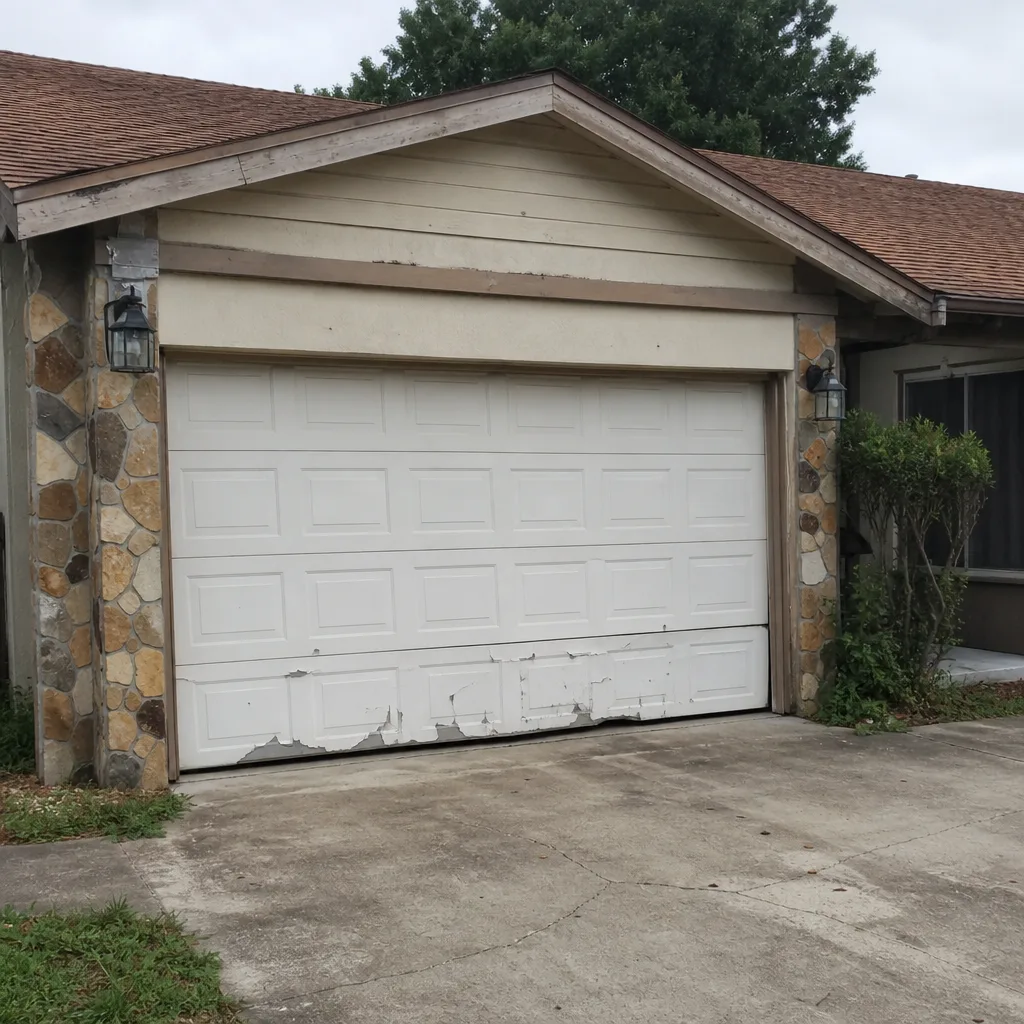 Before
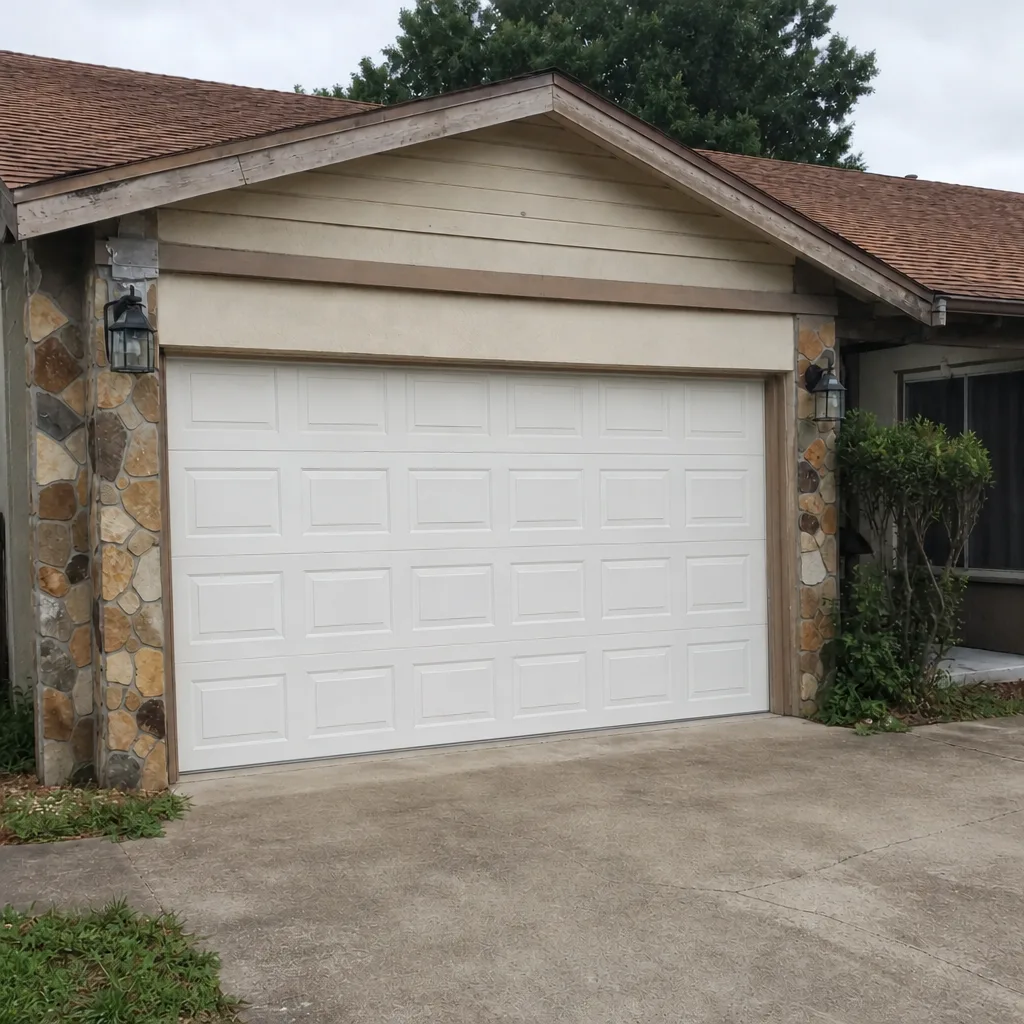 After
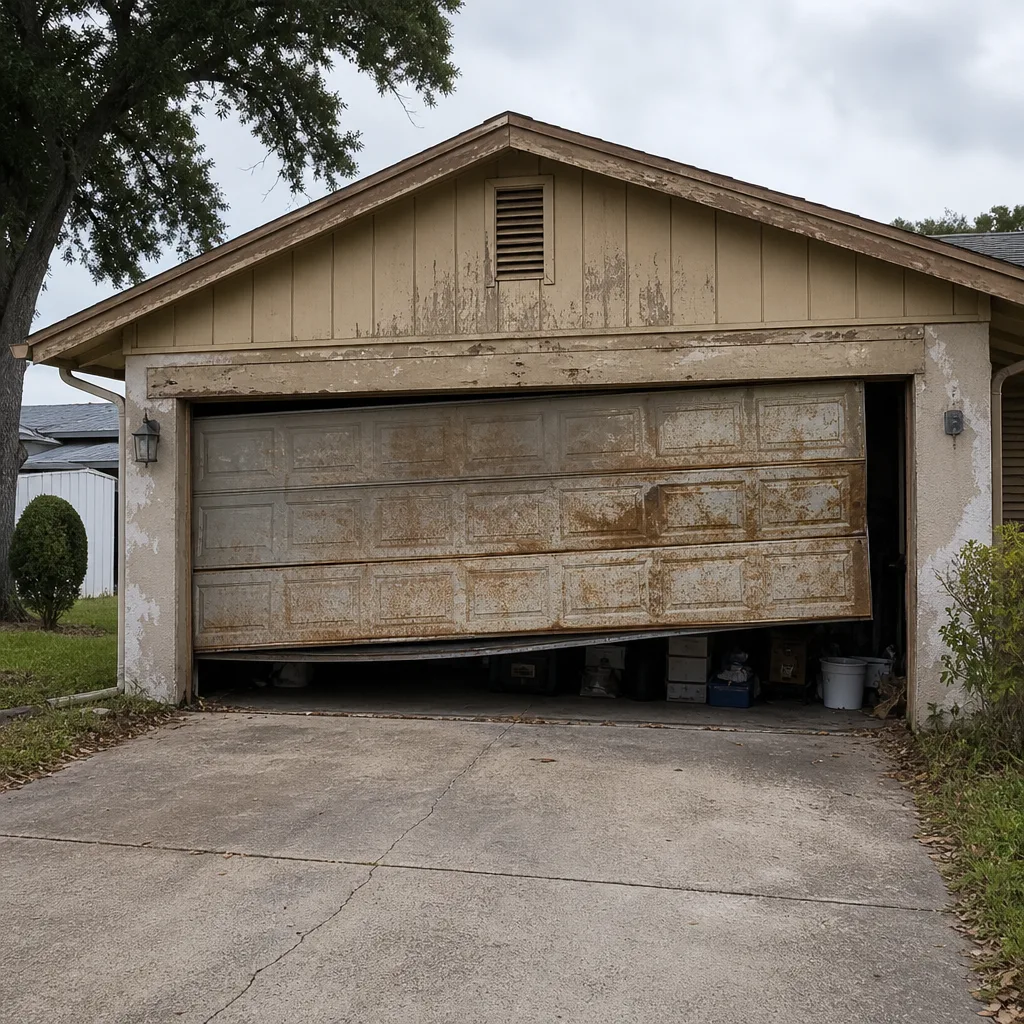 Before
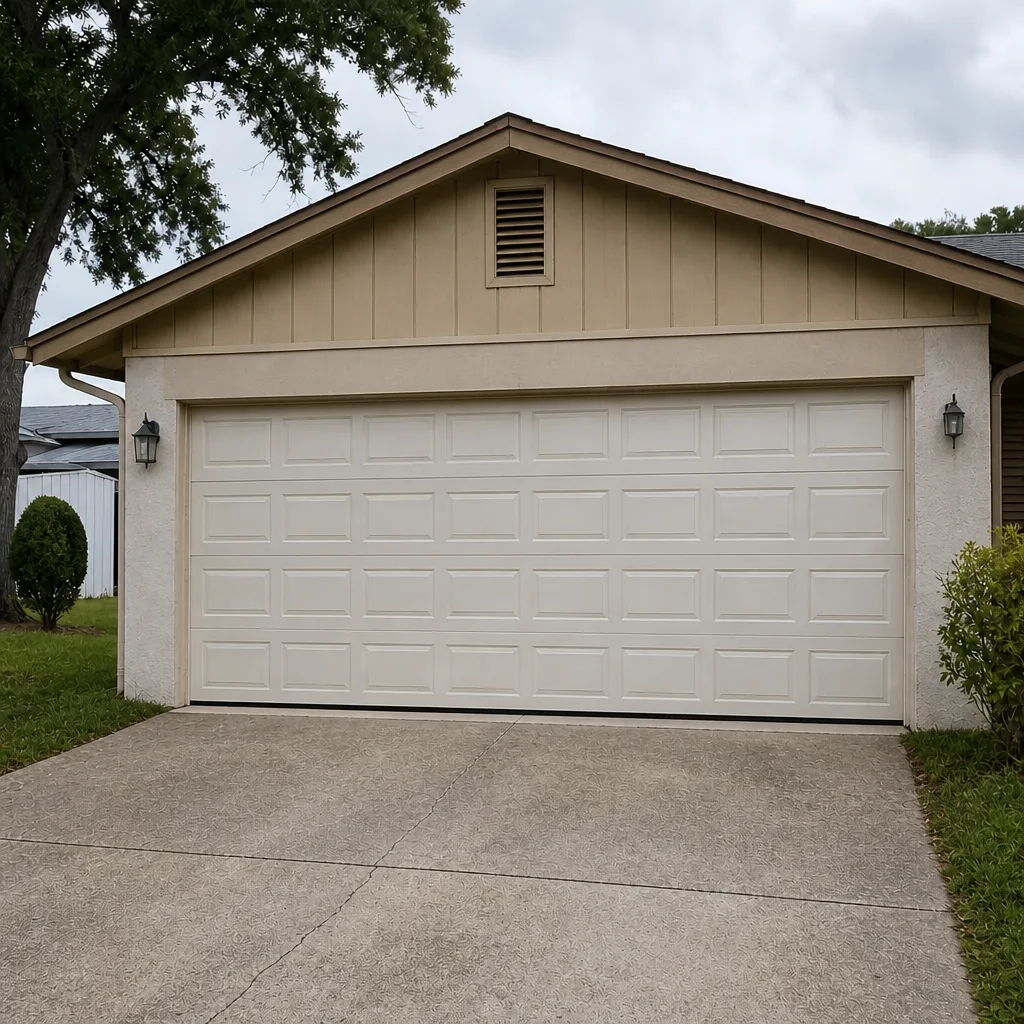 After
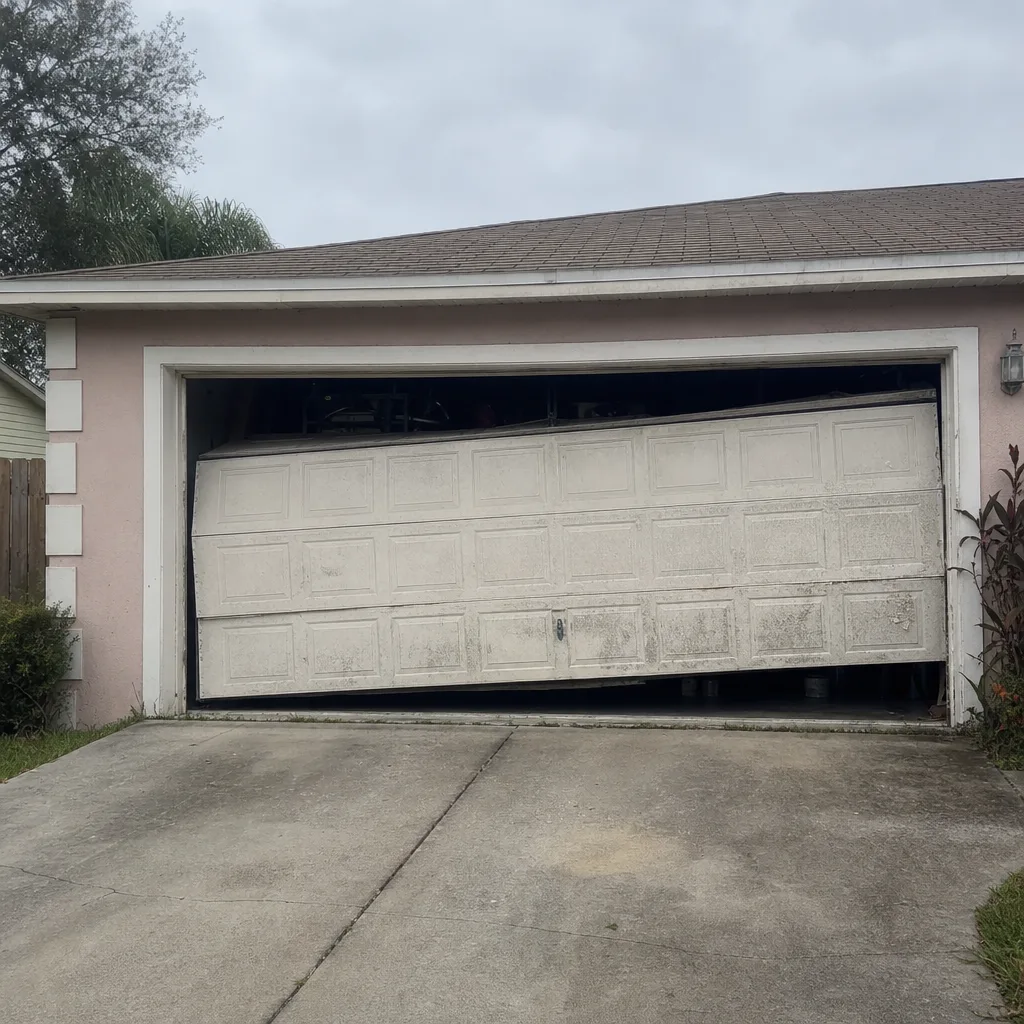 Before
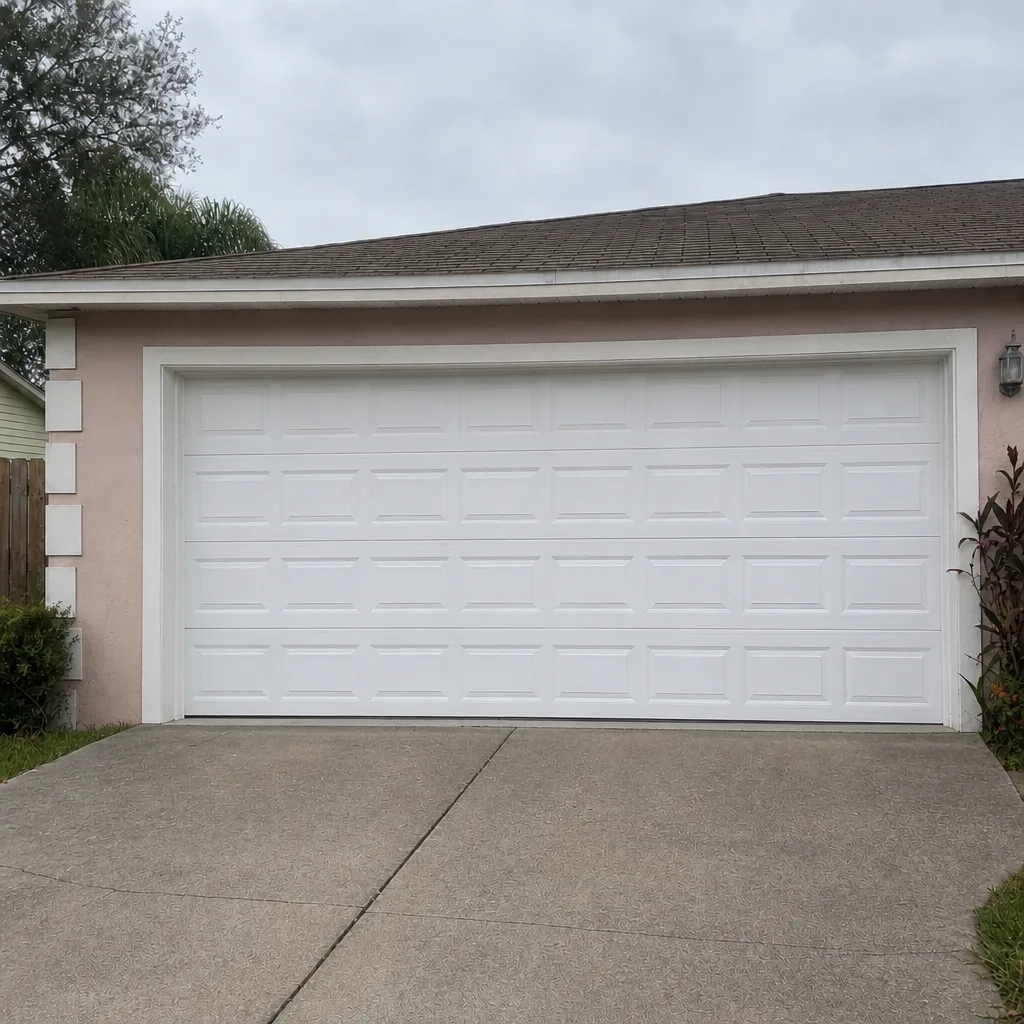 After
When to Call a Professional
Call a professional if the door won’t open or close, if you’ve heard a loud snap from the springs, if the door is crooked or hanging on one side, or if you can see frayed cables. Call us for a diagnosis if the door is unusually heavy to lift by hand, if the opener runs but the door doesn’t move, or if the safety reverse test fails. Any of those situations means the door is best left where it is until it’s been inspected. Our technicians have up to 8 years of experience with the brands most Apopka homes actually own, and we offer free estimates. Call (844) 558-0733. We answer 24/7. Fast dispatch from 7am to 7pm, Sunday through Friday. We’re closed on Saturday. If you’re working with a tighter repair, garage door repair is the same phone line.
Frequently Asked Questions
The clearest signs are a loud snap you may have heard from inside the house, a door that feels extremely heavy or won’t lift, and a visible gap in the coil of a torsion spring above the door. If the door won’t open or feels dead weight, stop using the opener and call for an inspection. Call (844) 558-0733 for a free estimate.
We service most residential brands, including LiftMaster, Chamberlain, Genie, Craftsman, Clopay, Amarr, Wayne Dalton and Raynor. You don’t have to replace your system to get it fixed. If we can get the part, we fix the opener. Call (844) 558-0733 for a free estimate.
Repair usually makes more sense if the panels and tracks are in good shape and the problem is springs, cables or the opener. Replacement makes sense when the door is structurally damaged, badly rusted, or facing a major repair on an old system. A written estimate from a free inspection tells you which side you’re on. Call (844) 558-0733 for a free estimate.
The heat and humidity speed up corrosion and metal fatigue. Springs and cables sit under constant tension in a humid environment, and the moisture film on the steel causes rust and wear faster than in a dry climate. Regular lubrication helps, but springs still wear out. Call (844) 558-0733 for a free estimate.
We answer 24/7. A call outside dispatch hours is booked into the next opening, Sunday through Friday, 7am to 7pm. If your door is stuck, we’ll get you on the schedule. Call (844) 558-0733 for a free estimate.
Yes, same-day service is available for urgent failures like a broken spring, a door stuck open, or an opener that’s failed with a car trapped inside. Emergency garage door service is a core part of what we do, not an upsell. Call (844) 558-0733. We answer 24/7. Fast dispatch from 7am to 7pm, Sunday through Friday.
The Bottom Line
Garage doors in Apopka are predictable. Most homes in the city’s master-planned communities have builder-grade steel doors with well-known brands of openers, and the parts that fail first are springs and cables, pushed along by the local heat and humidity. The good news is that those failures are fixable, the parts are available, and a clear diagnosis is usually quick. Maintain what you can safely maintain, leave the springs and cables to a trained technician, and get a written estimate before any work starts. If you’re unsure what’s wrong with your door, we’re one call away. Reach out to Apopka Garage Door Repair Pros for a free estimate on repair, opener service or a full replacement.
Call (844) 558-0733 for a free estimate. We answer 24/7. Fast dispatch from 7am to 7pm, Sunday through Friday.
Written by the team at Apopka Garage Door Repair Pros.