
Last updated November 21, 2026
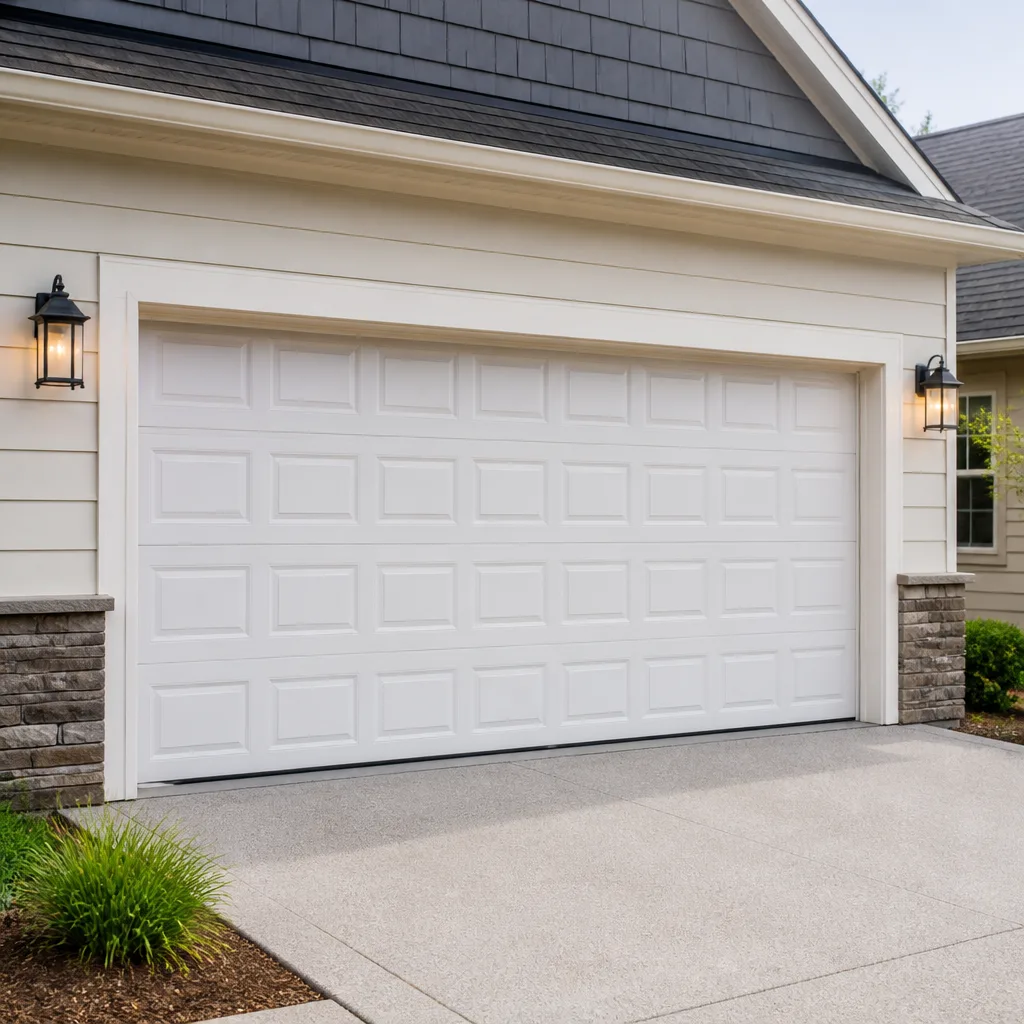 Raised-panel steel
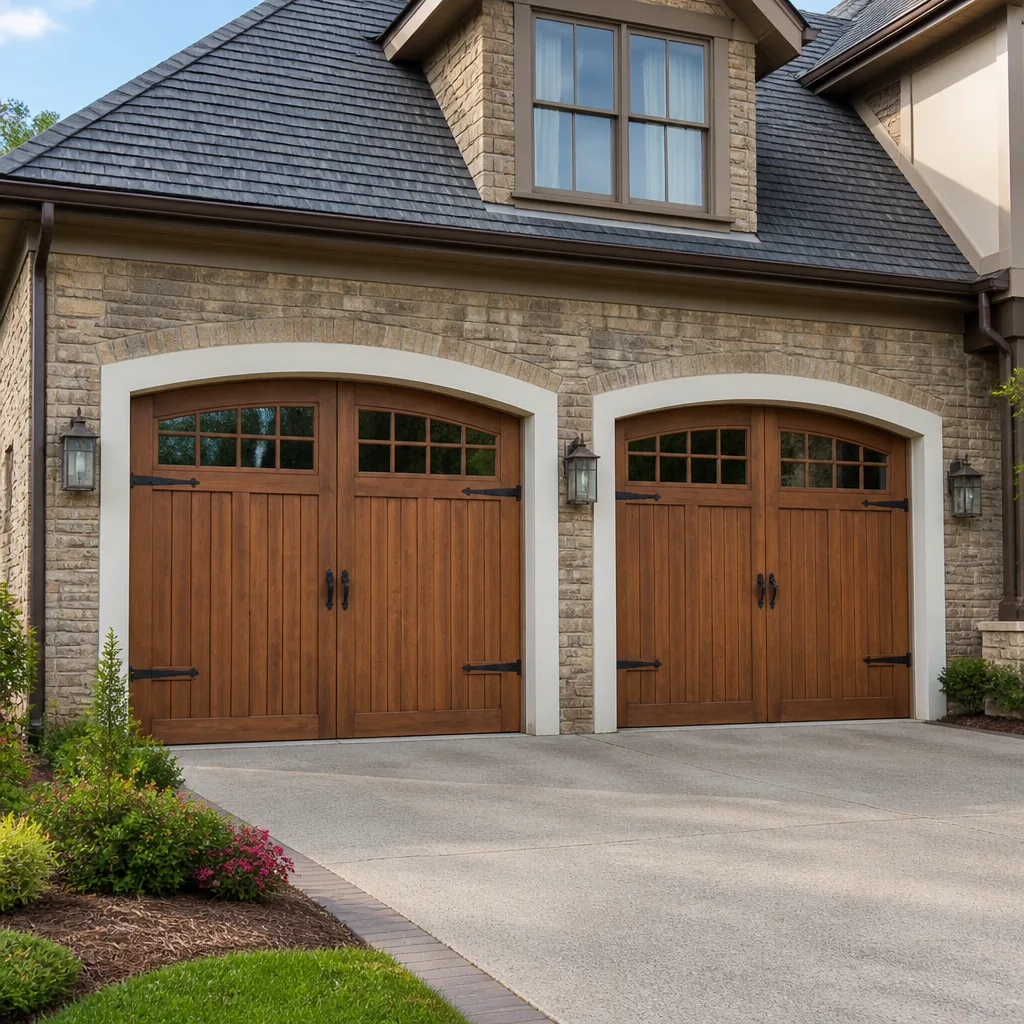 Carriage house
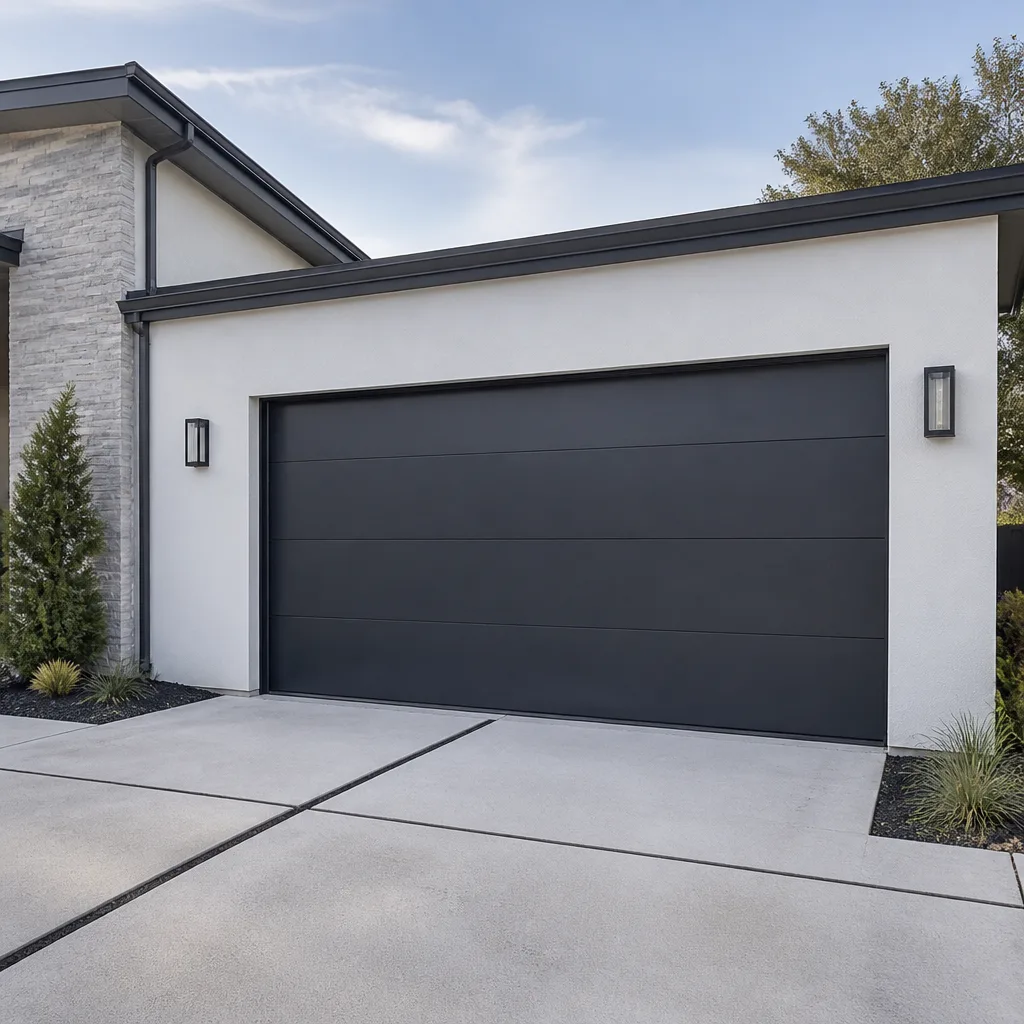 Modern flush
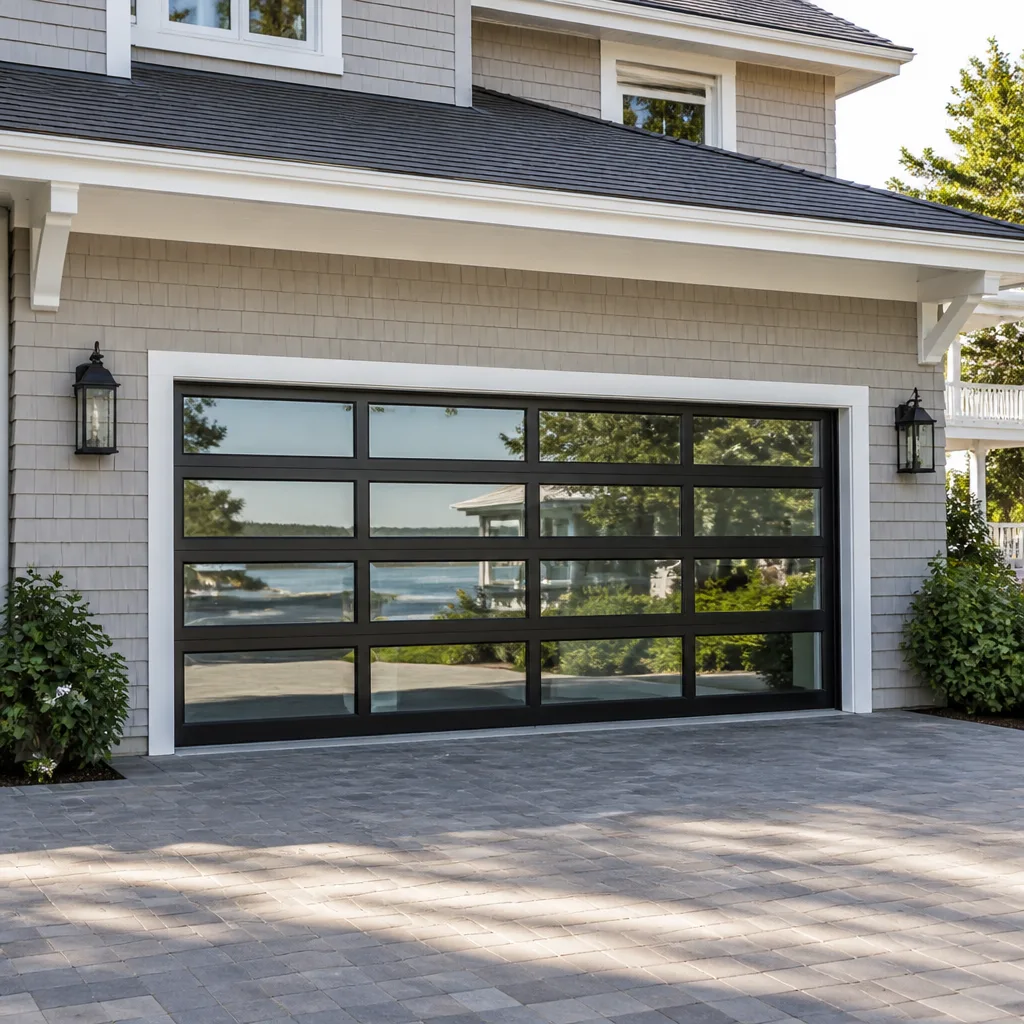 Full-view glass
 LiftMaster openers
 Chamberlain openers
Full 25-point door and opener safety check with every visit - springs, cables, rollers, tracks, and your LiftMaster or Chamberlain opener included
You get a price before we start. It does not change when the pro arrives.
Get your free estimateDIY vs Professional Garage Door: The Apopka Homeowner’s Decision Guide
Most homeowners ask the wrong question. The question isn’t “am I handy enough to fix my garage door?” It’s “which part of this system am I touching?” Because a garage door isn’t one machine. It’s a set of very different components bolted together, and the risk profile changes completely depending on which one has failed. Garage door torsion springs carry a load of 150 pounds or more, and the physics of a wound spring under that pressure does not forgive improvisation. Lubricating a roller, on the other hand, is a five-minute task anyone can do. This guide draws a clear line between the two, explains how Apopka’s heat changes the calculation, and shows where partial DIY prep actually saves you money on a professional repair.
Quick Answer
Some garage door work is genuinely homeowner-appropriate: lubricating moving parts, realigning safety sensors, and programming remotes. Everything involving the springs, cables, and track tension is not, because those components store dangerous energy and a mistake can cause serious injury. For a failed spring, a snapped cable, or a door off its track, professional service is the objectively correct call regardless of your confidence level. For routine upkeep, DIY is fine, and doing it consistently is what keeps a door out of the repair shop in the first place.
Styles & brands we work with
- Raised-panel steel
- Carriage house
- Modern flush
- Full-view glass
- LiftMaster openers
- Chamberlain openers
Table of Contents
- The Task-by-Task Breakdown
- Why Springs and Cables Are Different
- How Florida Heat Changes the DIY Calculation
- DIY vs Professional: The Real Cost Comparison
- Which Brands Are Homeowner-Serviceable
- The Gray Area: Prepping to Lower Your Bill
- When Safety Outranks DIY
- Common Mistakes to Avoid
The Task-by-Task Breakdown
Here’s the honest split. We’ve worked on enough Apopka doors to know which jobs a homeowner can own and which ones end in a call regardless of good intentions.
DIY-appropriate tasks:
- Lubricating hinges, rollers, and the torsion or extension spring shaft with a garage-door-rated lubricant (not WD-40, which attracts dust and dries out).
- Cleaning the photo-eye safety sensors at the base of each track and confirming the indicator lights are both steady.
- Realigning a sensor bracket that got bumped, then testing that the door reverses when the beam is broken.
- Programming a new remote to a LiftMaster or Craftsman opener using the learn button.
- Clearing debris from the tracks, wiping them down, and checking for bent rollers by hand.
- Tightening loose hinge and bracket bolts with a socket set.
Professional-only tasks:
- Torsion spring replacement. Non-negotiable.
- Extension spring replacement, which is slightly less hazardous but still involves stored tension.
- Cable replacement on either side. A snapped cable can whip and the door can drop.
- Track realignment where the door has jumped the track or the panels are torqued.
- Replacing the bottom bracket, which holds cable tension at the door’s base.
- Any adjustment that requires loosening the torsion shaft or winding the spring.
The test is simple: if the task requires you to release or store energy held by a spring or cable, stop. Everything else is fair game. In our experience, most Apopka homeowner calls that end in a spring repair started with someone trying to “just tighten” a bracket that was under load. garage door repair handles those safely.
Why Springs and Cables Are Different
Garage doors don’t hang from the opener. The opener just lifts an already counterbalanced door. The actual lifting is done by the springs, which are wound to store enough energy to offset a door that can weigh 200 pounds or more. That’s why a door whose spring has failed will feel impossibly heavy or refuse to move at all.
A wound torsion spring sits on a shaft with the energy of a loaded tool. When it’s under tension, one wrong move with a winding bar can release that energy unpredictably. Thems the physics, and it doesn’t care how handy you are. Extension springs, common on older doors, are more exposed and can fail violently if they break.
This is why springs are the one repair we never recommend for DIY. It’s not about skill. It’s about the fact that wound springs and loaded cables punish a mistake severely. Trained professionals have the right tools, the right technique, and the safety habits that come from doing the job repeatedly. When we say “specialist spring repair,” we mean the part of the job many generalists avoid or hand off. Our team does it directly.
If you’re wondering whether your symptom is a spring, a cable, or something else, a quick call is easier than guessing: Apopka Garage Door Repair Pros.
How Florida Heat Changes the DIY Calculation
Apopka summers are brutal, and the heat affects both the door and the person working on it. Three things change in the Florida heat:
- Metal fatigue behaves differently. Heat softens the grease on your hinges and rollers, and it can accelerate wear on the cables and spring lifespan. A component that looks fine in January may be showing hairline wear after a long summer. Which means a DIY inspection in cooler months can miss what a hot-weather inspection would catch.
- Openers are more sensitive to temperature. An opener that strains a bit during a mild morning may struggle more at midday when the door’s rollers are hot and the track has expanded. If your LiftMaster or Raynor opener is straining, diagnosing it in the cool of the morning can mislead you.
- Hands slip on tools. Sweaty hands on a wrench are a real hazard, especially when you’re up on a ladder or working near a loaded spring. That’s not a commentary on your grip, it’s just the physics of the climate. It’s one more reason the spring and cable work belongs with a pro who’s used to working in it.
In our experience, the Florida climate means one thing consistently: seasonal maintenance matters more here than in milder climates. Doors in Apopka that get lubricated twice a year last longer and need fewer repairs. That’s the best DIY habit to build.
DIY vs Professional: The Real Cost Comparison
Here’s where the math gets interesting. A homeowner who tries a spring replacement and gets it wrong often pays for two repairs: the original spring plus whatever their attempt damaged. Cables come off, tracks get bent, the bottom bracket gets mangled, and sometimes the door itself is left hanging at an angle. That’s the hidden cost of a DIY attempt, and it’s almost always more than the professional service would have cost.
| Task | DIY Cost | Professional Cost (Typical Estimate) | What Goes Wrong When DIY Fails |
|---|---|---|---|
| Lubricating hinges, rollers, springs | $10-$20 in lubricant | Included in a service visit | Nothing; lubricant being applied |
| Safety sensor alignment | Free | Free estimate; simple fix | The door closes on an object; sensor bracket snaps |
| Remote programming | Free | Minor charge or part of a service call | Wrong opener model, remote bricked |
| Single torsion spring replacement | Parts $40-$80 | Estimate provided on site; range typically $180-$340 per spring | Serious injury risk, bent shaft, damaged panel, cables off |
| Matched pair spring replacement | Parts $80-$160 | Estimate on site; usually about twice the single-spring range | Two failures, two repair bills, or worse |
| Cable replacement | Parts $20-$40 | Estimate on site | Whipping cable, dropped door, bent track |
The one thing to understand about professional pricing: the written estimate sets the final price. You know what you’re paying before any work starts. That’s the difference between a planned cost and an open-ended one.
For a free estimate, call (844) 558-0733. We answer 24/7, and dispatch runs 7am to 7pm, Sunday through Friday.
Which Brands Are Homeowner-Serviceable
This matters more than most guides admit. Some opener brands have genuinely homeowner-friendly components and documentation; others are built so that touching the internals risks the warranty. A quick rundown based on what we see most on Apopka doors:
- Craftsman and LiftMaster openers are the most forgiving for homeowner tasks. Their learn buttons, remote programming procedures, and safety sensor adjustments are well documented, and the components are designed for user service. If you own a Craftsman or LiftMaster, DIY remote programming and sensor alignment are reasonable.
- Raynor and Genie units have their own programming quirks. The manuals are available, but the procedures differ enough from brand to brand that a homeowner can misread the sequence. Raynor openers in particular use a different remote-programming logic that trips people up.
- Wayne Dalton and premium Clopay door systems often have proprietary panel and hardware designs. Replacing a panel or a bracket on one of these without the right part number is a guarantee of a bad fit. Door-level repairs on these are best left to a technician who knows the brand.
- Older openers of any brand, usually the ones still running Craftsman chain drives from an earlier era, sit in a grey zone. Parts availability varies, and a DIY fix that seems to work can shorten the motor’s life.
If you’re uncertain whether a task voids your warranty, read the manual’s service section before you touch anything. If the manual isn’t clear, don’t guess. For a serviceable assessment of what your brand allows, garage door opener repair covers the full range of brands we see.
The Gray Area: Prepping to Lower Your Bill
Here’s where a homeowner can genuinely save money without touching anything dangerous. The tasks that surround a repair, the prep and the diagnostics, are things you can do yourself before the technician arrives. That shortens the job and can reduce your bill.
- Clear access. Make sure the area around the door, both inside and on the driveway, is clear. If the technician has to move a parked car or a stack of boxes, that’s time and effort.
- Note the symptoms precisely. Write down what the door does: does it reverse, does the opener click and stop, does the door feel heavy, does it stop partway up? A clear description saves diagnostic time.
- Test the door manually. Disconnect the opener with the pull cord and lift the door by hand. If it is very heavy or falls on its own, that’s a spring issue. If it lifts easily, the issue may be the opener. This is safe to do.
- Gather the model numbers. The opener model is on a label on the motor housing, and the door model may be on the frame or the panels. Knowing the brand, whether it’s a LiftMaster, Craftsman, or Raynor, helps the technician bring the right parts.
- Inspect the sensors. Confirm both sensor lights are on. If one is off, the door won’t close, which eliminates half the diagnostic paths.
None of that involves springs or cables. You’re not doing the repair; you’re handing the technician a head start. And if you’re planning something bigger, like a door nearing the end of its life, garage door installation is a different conversation in which a free measure and written price precede any work.
When Safety Outranks DIY
There are moments when the answer is professional service no matter how confident you are. Call us if:
- The door won’t close and the sensor is clean. A door that escapes the safety reversal is a hazard, and the fix may involve the opener or the sensor wiring, not the door itself.
- The door is stuck open or won’t budge. A door left open is a security gap. A door stuck shut is a trapped car. Either way, that’s an emergency garage door call, and emergency service is core to what we do, not an add-on.
- You see a snapped or frayed cable. Don’t touch it. A cable under load can snap and whip. Leave it and call.
- The door is off the track. A torqued track or a jumped roller is a door that can drop. Don’t try to shove it back on.
- Your hearing tells you something is wrong. Grinding, banging, or a door that slams shut suggests a component is failing, and the underlying cause may be more serious than the noise.
We work on the brand you already own, from a builder-grade door to a premium Clopay or Amarr system. If it can be fixed, we’ll fix it. If it can’t, we’ll tell you honestly.
Common Mistakes to Avoid
- Assuming a failed spring means “just replace the spring.” Springs are wound in matched pairs on most doors. Replacing one spring on a pair is a false economy; the second spring is usually nearing the end of its life too, and the uneven load can accelerate wear. This is why we usually quote a pair.
- Using WD-40 on the tracks or rollers. In Florida heat it can gum up the rollers and attract dust. Garage-door-rated lubricant is the right product. It’s a small thing that adds up.
- Trying to realign track by force. Bending a track back by hand often misshapes it permanently. Tracks need careful adjustment, and a door running on a warped track is a door that fails again.
- Ignoring the safety reverse test. Place a piece of wood or a roll of paper towels on the ground where the door comes down. If the door doesn’t reverse, the sensor or the opener is failing. This test takes ten seconds and can prevent a serious injury.
- Leaving the door on the opener in a power outage. Disconnect the opener with the pull cord and lift manually. If it’s too heavy to lift, the spring may have failed.
- Assuming your opener brand is DIY-friendly. A Craftsman or LiftMaster remote is easy to program. A Raynor or a Wayne Dalton opener may not be. Read the manual first.
- Working on a loaded spring because the video made it look easy. The video is edited. The spring is not.
See the difference
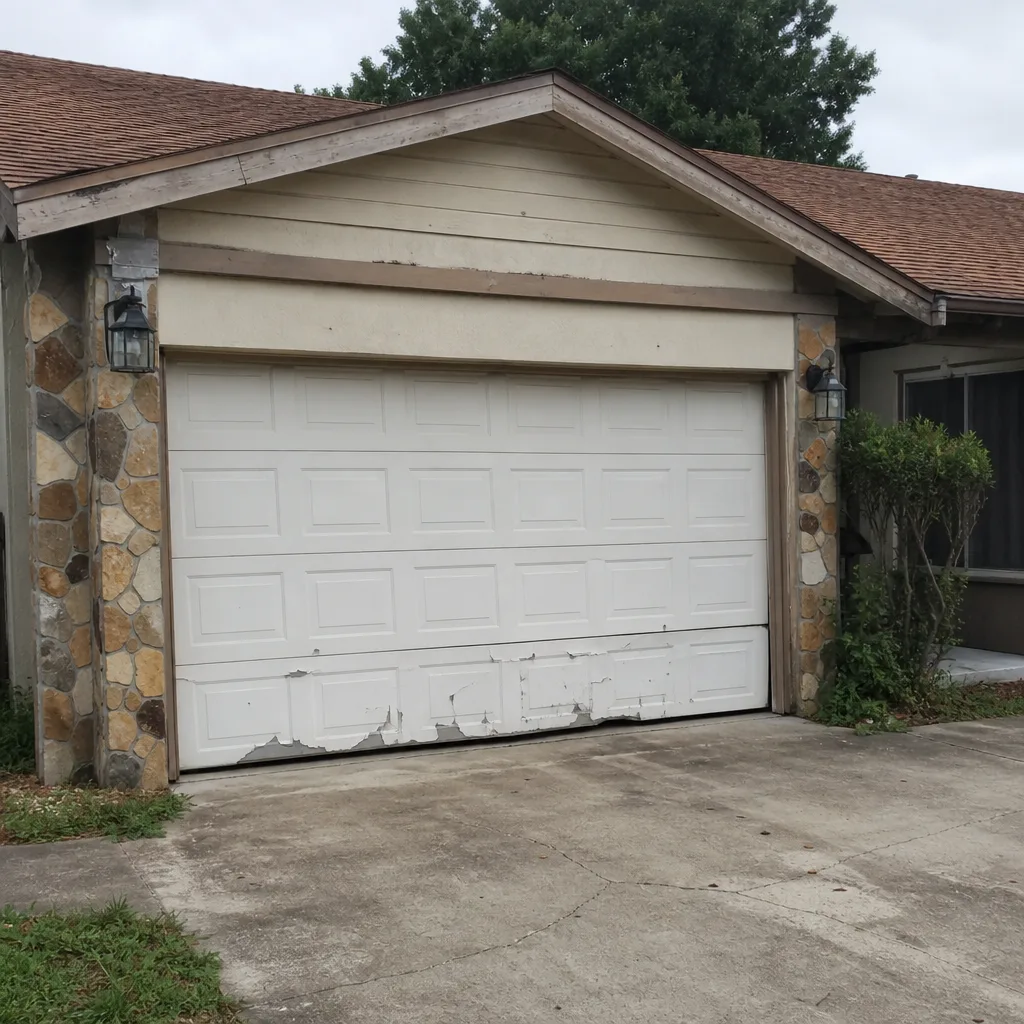 Before
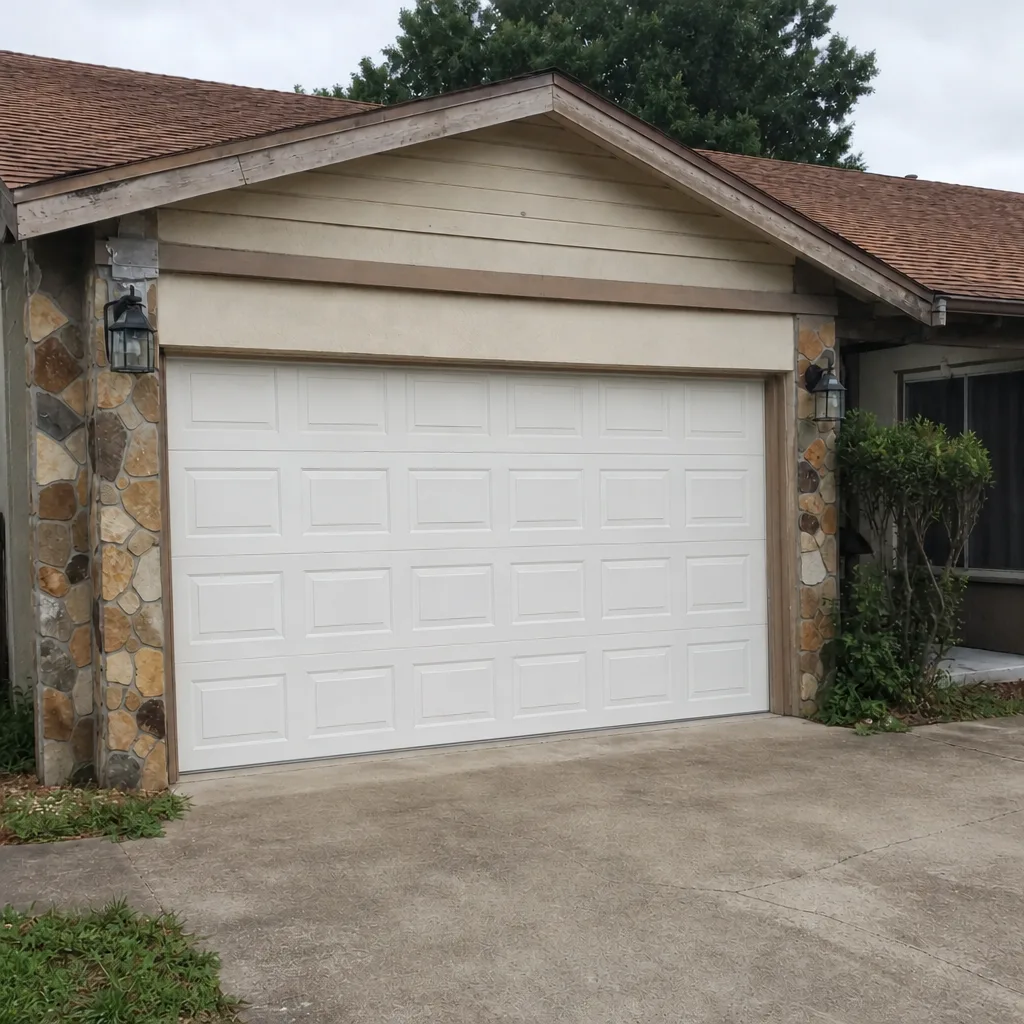 After
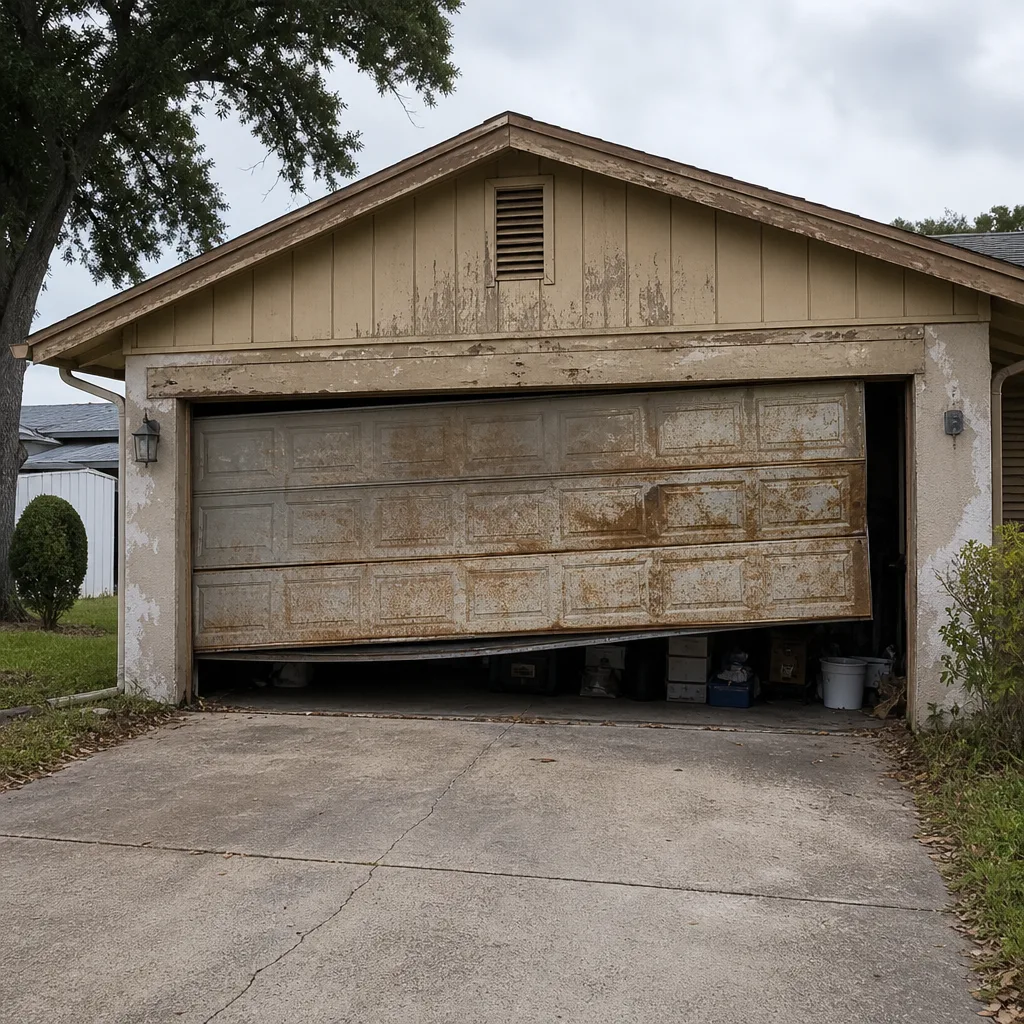 Before
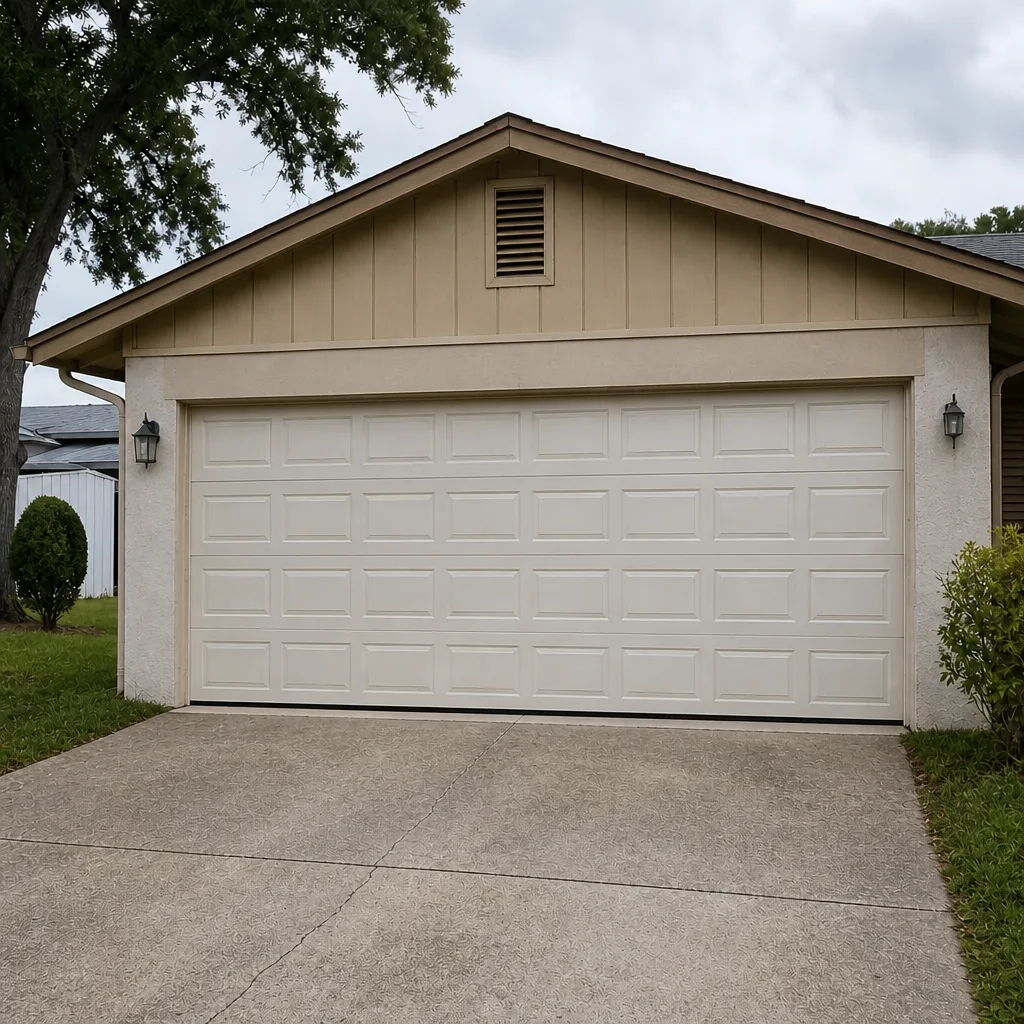 After
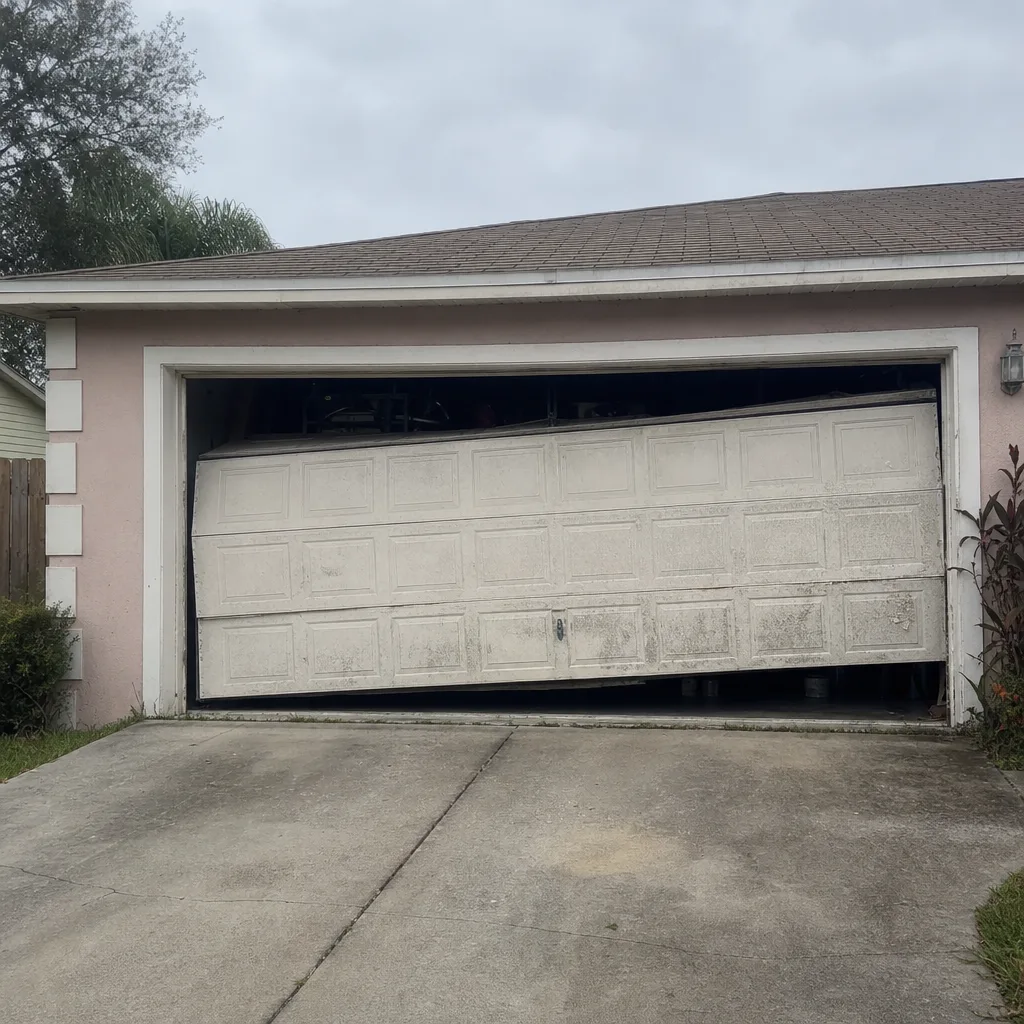 Before
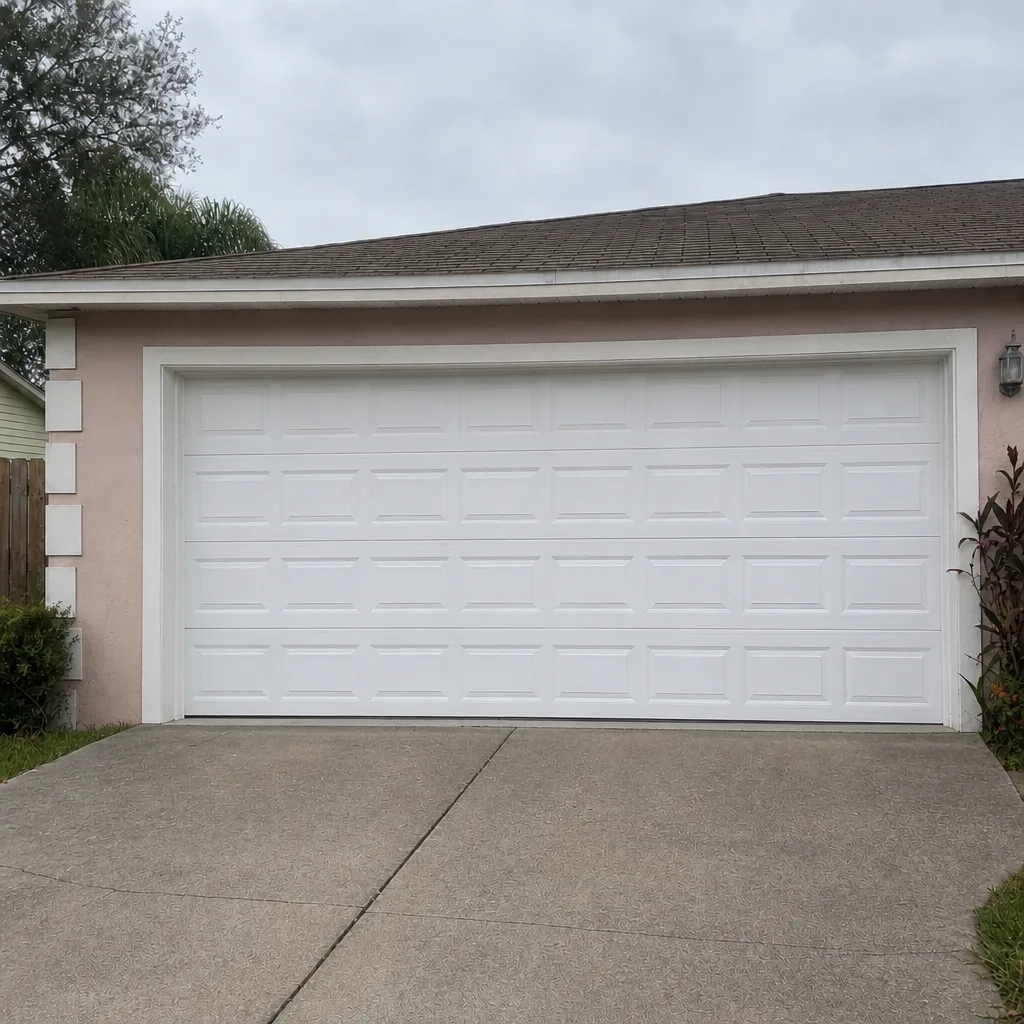 After
When to Call a Professional
Call a professional the moment the task involves springs, cables, track tension, or any component under load. Call when the door feels heavier than it has in the past, when it reverses unexpectedly, when it won’t close, or when it makes a sound it didn’t make before. Call when your opener strains or trips the breaker. And call when you’re unsure, because a short conversation is cheaper than an injury. Apopka Garage Door Repair Pros offers free estimates in Apopka, and a single call covers the door and the opener, so there’s no finger-pointing between contractors. We answer 24/7. Call (844) 558-0733. Fast dispatch from 7am to 7pm, Sunday through Friday. On-site in 60 minutes.
Frequently Asked Questions
No. Garage door torsion springs store enough energy to cause serious injury, and the physics of a wound spring does not forgive mistakes. We don’t recommend DIY spring replacement under any circumstances. Call a professional who handles springs routinely. For an estimate, call (844) 558-0733, and the price is agreed in writing before work starts.
A single spring typically falls in the $180 to $340 range, and most doors use a matched pair that’s usually replaced together, so a pair runs about twice that. The written estimate sets the final price, so there are no surprises. We answer 24/7, so call (844) 558-0733 when the spring lets go.
Yes, and you should. Lubrication is the single most useful DIY task and it’s safe. But lubrication extends the life of a door; it doesn’t diagnose failing components. A professional inspection catches worn cables and sagging springs that lubrication can’t fix. It’s a both/and situation, not either/or.
Usually not, for lubrication and sensor alignment, which are user-serviceable tasks on most brands. But actually opening the motor housing or trying to adjust the internal limits can void it, especially on a Raynor or Wayne Dalton unit. Read your manual’s service section before you open anything up.
It’s a security concern, so treat it as urgent. A door that won’t close after sunset is a home that’s open to the street. We treat those calls as emergency service, not an upsell. Call (844) 558-0733; we answer 24/7, with fast dispatch from 7am to 7pm.
For repair and emergency calls, same-day service is usually available, and we’ll confirm at the time of the call. For installation or replacement, the work is measured, ordered, and scheduled, so the free measure comes first. Either way, the price is quoted and agreed before any work starts. Call (844) 558-0733.
The Bottom Line
DIY and professional garage door repair aren’t a skill test. They’re a component test. Lubrication, sensor alignment, and remote programming are yours to own, and doing them regularly is what keeps a door out of the shop. Springs, cables, and track tension are not, no matter how handy you are. In Apopka’s heat, the metal, the opener, and your grip on the tools all behave differently than in a cooler climate, which makes the line between “safe to try” and “call a pro” more important, not less. Build the maintenance habit, prep well before a technician arrives, and call when the task involves stored energy.
Call (844) 558-0733 for a free estimate. We answer 24/7. Fast dispatch from 7am to 7pm, Sunday through Friday. We work on the brand you already own, from LiftMaster to Raynor, and we tell you honestly if a repair is the right call or if installation makes more sense.
Written by the team at Apopka Garage Door Repair Pros.